

A clean home contributes to comfort, organization, and overall quality of life. However, many homeowners do not realize that their current cleaning routine may no longer be sufficient to keep up with changing household demands. As families grow, schedules become busier, pets are introduced, or seasonal changes occur, cleaning needs often increase without being immediately noticeable.
When routine cleaning falls behind, small issues gradually become larger concerns. Dust accumulates faster, surfaces lose their appearance, and living spaces begin to feel less comfortable. Recognizing these signs early helps homeowners maintain a healthier and more enjoyable environment. Professional support from Not Just Dust can help households stay ahead of these challenges before they affect everyday living.
Understanding Why Cleaning Needs Change Over Time
Many homeowners establish cleaning routines based on past household conditions. However, homes are constantly evolving. New family members, increased activity levels, changing work schedules, and seasonal influences all affect how quickly dirt and debris accumulate.
What worked effectively a year ago may no longer provide the same results today. Recognizing when cleaning demands have changed allows homeowners to adjust their routines before cleanliness issues become overwhelming. In many cases, a professional residential cleaning service can help maintain consistent cleanliness as household needs continue to evolve.
Household Activity Creates More Cleaning Demands
As people spend more time at home, surfaces receive more use and foot traffic increases. This naturally leads to faster accumulation of dust, debris, and residue throughout the property.
Daily Habits Influence Cleanliness Levels
Cooking, entertaining guests, working remotely, and other routine activities all contribute to increased cleaning requirements. Small daily habits often have a significant impact on overall home cleanliness.
Dust Appears Shortly After Cleaning
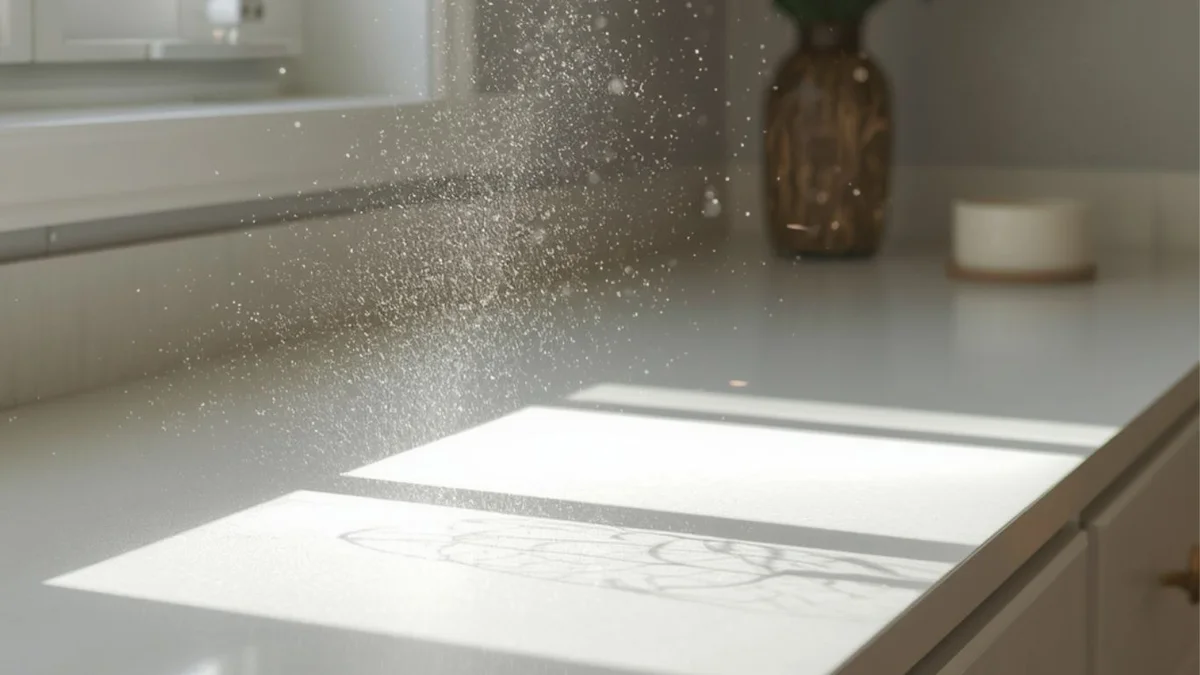
One of the clearest signs that a home may need more frequent cleaning is the rapid return of dust. While some dust accumulation is normal, excessive buildup shortly after cleaning often indicates that current cleaning intervals are not keeping pace with household conditions.
Dust affects both appearance and comfort. When it accumulates quickly, living spaces begin to feel less fresh and more difficult to maintain.
Surfaces Require Constant Dusting
Tables, shelves, electronics, and decorative items may collect visible dust within days of cleaning. Frequent buildup suggests that cleaning schedules may need adjustment.
Air Circulation Contributes to Dust Movement
Dust moves throughout the home through airflow and daily activity. Without regular removal, particles continue settling on surfaces and recirculating through living spaces.
Floors Lose Their Clean Appearance Quickly
Flooring experiences more wear than almost any other area of the home. Dirt, pet hair, crumbs, and outdoor debris are constantly introduced through daily movement.
When floors begin looking dirty shortly after being cleaned, it often indicates that cleaning frequency is no longer sufficient for the household.
High Traffic Areas Show Wear Faster
Entryways, hallways, kitchens, and living rooms receive the most daily activity. These areas often reveal cleaning deficiencies before other parts of the home.
Debris Accumulates Along Edges and Corners
Dust and dirt naturally settle in corners and along baseboards. When buildup becomes noticeable regularly, additional cleaning attention may be needed.
Allergies and Indoor Discomfort Become More Noticeable
Changes in indoor comfort often signal that cleaning routines need improvement. Dust, allergens, and airborne particles affect how comfortable a home feels on a daily basis.
When family members experience increased irritation or discomfort indoors, cleaning frequency may be a contributing factor.
Dust Creates Uncomfortable Living Conditions
Accumulated particles affect air quality and contribute to stuffy indoor environments. More frequent cleaning helps reduce airborne debris.
Seasonal Changes Increase Indoor Contaminants
Pollen, outdoor dust, and seasonal debris enter homes more frequently during certain times of year. Additional cleaning helps manage these changing conditions.
Kitchens Require Constant Attention
The kitchen is one of the busiest areas of any home. Food preparation, cooking, and daily use create residue and buildup that require regular maintenance.
When kitchen surfaces consistently appear dirty despite routine cleaning, it may be time to increase cleaning frequency.
Countertops Accumulate Residue Quickly
Cooking oils, food particles, and everyday use leave behind residue that becomes noticeable if not addressed consistently.
Appliance Surfaces Need More Frequent Care
Refrigerators, ovens, and small appliances experience constant contact. Regular cleaning helps maintain appearance and hygiene.
Bathrooms Show Signs of Rapid Buildup
Bathrooms experience constant moisture and frequent use, making them especially vulnerable to buildup. When surfaces become difficult to maintain between cleanings, it may indicate the need for more frequent attention.
Moisture related issues often become noticeable before other cleanliness concerns.
Fixtures Lose Their Shine Quickly
Water spots, soap residue, and daily use can cause sinks, faucets, and mirrors to lose their clean appearance within a short period.
Moisture Creates Ongoing Cleaning Challenges
Bathrooms naturally collect moisture that encourages buildup. More frequent cleaning helps maintain freshness and comfort.
Clutter and Mess Become Harder to Manage
A home that feels consistently cluttered often requires more frequent cleaning support. When routine tasks become difficult to keep up with, maintaining cleanliness becomes increasingly challenging.
Cleaning and organization often work together to create comfortable living environments.
Daily Responsibilities Leave Less Time for Cleaning
Busy schedules make it difficult to maintain consistent cleaning routines. Household responsibilities often compete for limited free time.
Small Tasks Begin Accumulating
When minor cleaning tasks are delayed repeatedly, they quickly combine into larger maintenance challenges that feel overwhelming.
Pets Increase Household Cleaning Requirements
Pets bring companionship and joy, but they also introduce additional cleaning demands. Fur, dander, tracked debris, and accidents can significantly increase the need for regular maintenance.
Households with pets often benefit from more frequent cleaning schedules.
Pet Hair Accumulates Throughout the Home
Fur collects on floors, furniture, and fabrics quickly. Consistent cleaning helps prevent excessive buildup.
Outdoor Debris Enters More Frequently
Pets regularly bring dirt, grass, and outdoor particles into the home, increasing cleaning requirements.
Why Professional Cleaning Support Makes a Difference
Changing household demands can make it difficult to maintain consistent cleanliness independently. A professional residential cleaning service helps ensure that homes receive the attention necessary to remain clean, comfortable, and organized.
Structured cleaning routines provide reliable support while reducing stress for homeowners.
Consistent Cleaning Prevents Buildup
Regular service helps address dirt and residue before they become larger issues. This proactive approach supports long term home maintenance.
Professional Methods Improve Efficiency
Experienced cleaners follow organized processes that ensure each area receives proper attention during every visit.
Learning From Other Homeowners
Experiences from other households often provide valuable insight into the benefits of consistent cleaning support. Positive feedback frequently highlights improvements in comfort, cleanliness, and daily convenience.
Many people explore our reviews to better understand how recurring cleaning services help maintain comfortable living environments.
Knowing When It Is Time to Take Action
Recognizing the signs of increased cleaning needs allows homeowners to address issues before they become overwhelming. Waiting too long often leads to larger cleaning challenges and greater maintenance demands.
If dust, clutter, and buildup continue returning quickly, it may be time to adjust your approach to home care.
When a cleaner and more manageable home becomes a priority, schedule your appointment to establish dependable cleaning support that fits your household needs.
Why Experience Matters in Residential Cleaning
Professional cleaning requires more than simply removing visible dirt. Understanding how different surfaces respond to products and techniques helps ensure effective results while protecting home interiors.
Those interested in learning more about service standards and long term commitment often review why homeowners work with Not Just Dust before selecting a cleaning provider.
Creating a More Comfortable Home Environment
A home that receives the right level of cleaning attention feels more organized, inviting, and enjoyable. Addressing cleanliness issues proactively helps prevent stress while supporting long term comfort and maintenance.
Additional cleaning advice and practical household guidance can be found through more guides and insights for homeowners looking to improve their living environments.
FAQs
What are the most common signs a home needs more frequent cleaning?
Rapid dust buildup, dirty floors, recurring clutter, and increased indoor discomfort are common indicators.
How often should a home be professionally cleaned?
The ideal frequency depends on household size, activity levels, pets, and lifestyle needs.
Can pets increase cleaning requirements?
Yes. Pet hair, dander, and tracked debris often require more frequent cleaning attention.
Why does dust return so quickly after cleaning?
Air circulation, household activity, and environmental factors can cause dust to accumulate faster than expected.
How can professional cleaning help busy households?
Professional cleaning provides consistent maintenance that reduces stress and helps homeowners keep up with changing household demands.


Leave A Comment